
Navigating the regulations for a commercial remodel in Tyler, Texas, can seem like a complex maze, but understanding the essential steps and requirements is crucial for a successful and compliant project. At Rock It Remodeling, we know that proper planning is the bedrock of any construction endeavor, especially when it involves commercial properties and local ordinances. This guide aims to shed light on what you need to know before breaking ground, ensuring your renovation meets all necessary standards and proceeds smoothly.

Understanding Local Permitting and Zoning
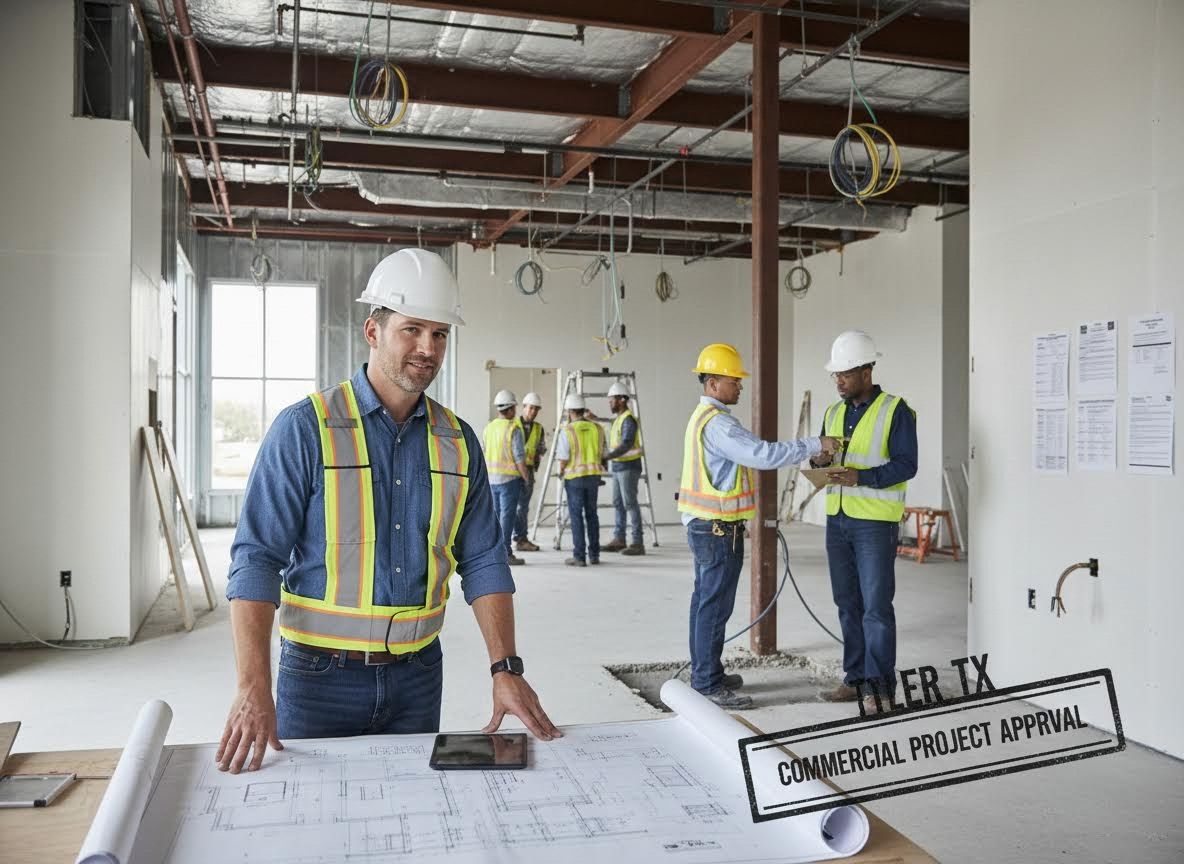
The first and most critical step for any commercial renovation in Tyler is securing the appropriate permits and understanding local zoning ordinances. The City of Tyler's Planning & Zoning and Building Inspections departments are your primary resources. You'll need to submit detailed plans for review, which typically include architectural drawings, site plans, and specifications for proposed changes. Zoning regulations dictate what types of businesses can operate in certain areas and may impose restrictions on building height, setbacks, parking, and aesthetic standards. Failing to comply can lead to costly delays or even a cease and desist order, underscoring the importance of thorough upfront research.
Key Building Codes and Safety Standards
Beyond zoning, commercial remodels must adhere to a comprehensive set of building codes designed to ensure safety and accessibility. These include the International Building Code (IBC) and various fire, electrical, and plumbing codes, along with accessibility standards like the Americans with Disabilities Act (ADA). Inspections at various stages of your project will verify compliance with these regulations. For instance, any modifications to a commercial kitchen would require specific health department approvals in addition to standard building permits. A well-executed project not only meets legal requirements but also creates a safe and functional environment for your employees and customers.
Financial Considerations and Project Scope
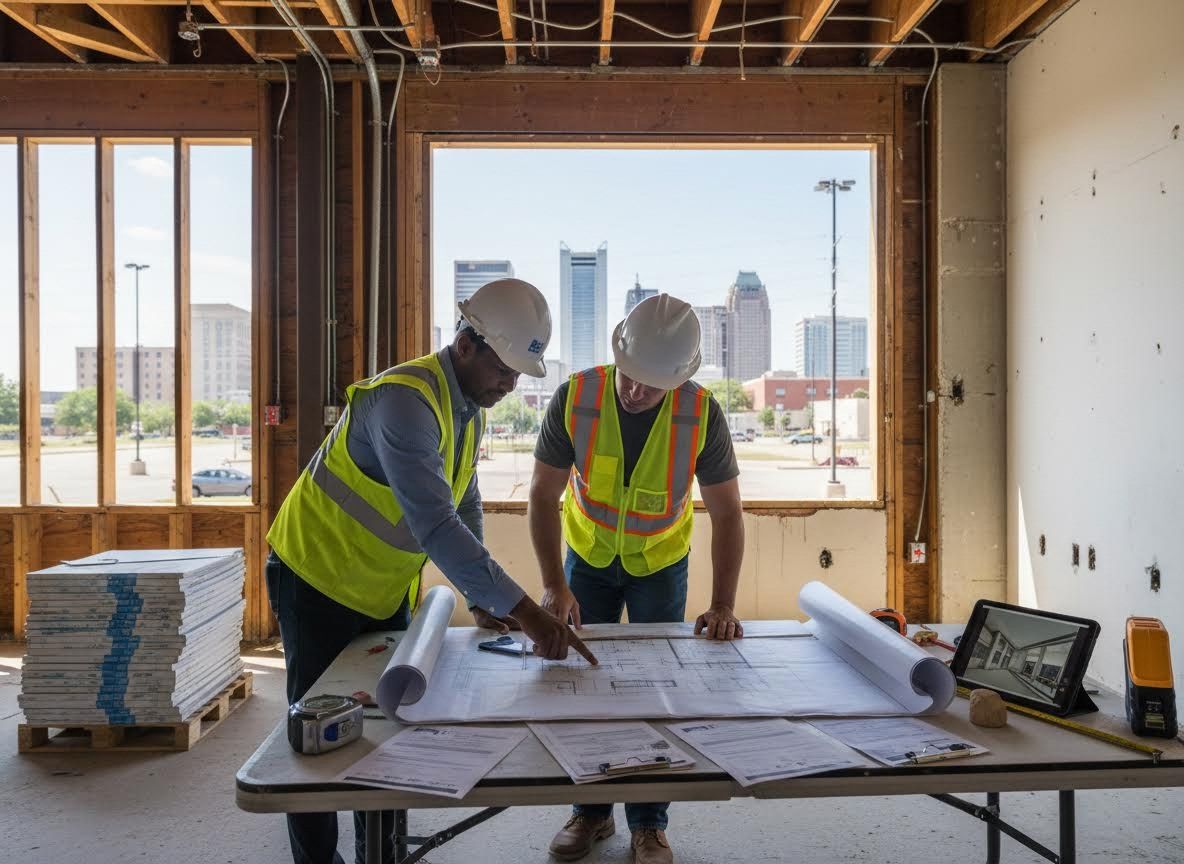
The regulatory landscape directly impacts the financial aspect of your commercial remodel. Permit fees, costs associated with bringing older structures up to current code, and the need for specialized inspections all contribute to the overall budget. While specific figures for Tyler will vary, general benchmarks like commercial remodeling cost per square foot Dallas can offer a preliminary idea, though local conditions will differ. Regulations can also influence the house addition timeline Texas, as specific approvals are needed for expansions. Securing all necessary permits and adhering to codes from the outset helps prevent unexpected expenses and project overruns down the line.

Partnering with the Right Professionals
Successfully navigating commercial remodel regulations in Tyler requires expertise. Engaging a licensed home remodeling contractor Tyler TX who is familiar with local codes and permitting processes is invaluable. These professionals can help interpret complex regulations, prepare accurate plans, and manage the permitting application process on your behalf. For specialized projects, such as a restaurant upgrade, working with Tyler TX kitchen renovation contractors who understand commercial kitchen compliance is essential. Their experience can streamline the project, ensuring all work is done correctly the first time and reducing the risk of costly rework or compliance issues.
Undertaking a commercial remodel in Tyler, Texas, is a significant investment that requires careful attention to detail and a thorough understanding of local regulations. By prioritizing proper permitting, adhering to building codes, understanding financial implications, and partnering with experienced professionals, you can ensure your project is a success. If you're considering a commercial renovation in Tyler and want to ensure a smooth, compliant process, we invite you to explore our services and learn more about how Rock It Remodeling can support your project.