

Undertaking a remodeling project in Texas, whether it’s a minor update or a major overhaul, often involves navigating a landscape of local regulations and permits. While the idea of obtaining permits might seem daunting, understanding the process is crucial for a smooth and successful renovation, ensuring your project meets all safety and legal standards. Here at Rock It Remodeling, we understand that these requirements can vary significantly, and this guide aims to demystify the permit process for homeowners across the Lone Star State.

The Essential Role of Remodeling Permits
Permits are more than just bureaucratic red tape; they are a vital safeguard for both homeowners and contractors. They ensure that all construction work adheres to established building codes, which are designed to protect public health, safety, and welfare. Ignoring permit requirements can lead to significant problems down the line, including costly fines, forced demolition of unapproved work, and difficulties with future property sales. Projects typically requiring permits include structural changes, significant plumbing or electrical work, new construction, and substantial alterations to existing spaces.

Navigating Local Regulations Across Texas
One of the key challenges in Texas remodeling is that regulations are not uniform statewide; they vary significantly from one municipality to another. What applies to a home renovation in Dallas might be different from a kitchen remodel in Tyler. For instance, understanding Dallas home remodeling costs can be influenced by specific city ordinances for construction, while Tyler TX kitchen renovation contractors must comply with Tyler's local building department requirements. Similarly, factors affecting commercial remodeling cost per square foot Dallas will often include city-specific commercial building codes. Always check with your local city or county planning department to confirm the exact permits needed for your specific project.

Streamlining the Permit Application and Project Timeline
The permit application process typically involves submitting detailed plans, drawings, and sometimes engineering reports to your local building department. This review process ensures that your proposed work meets all applicable codes before construction begins. It’s important to factor the time required for permit approval into your overall house addition timeline Texas, as this phase can take several weeks or even months depending on the project's complexity and the jurisdiction's workload. Proper preparation and clear documentation can help expedite this crucial step.
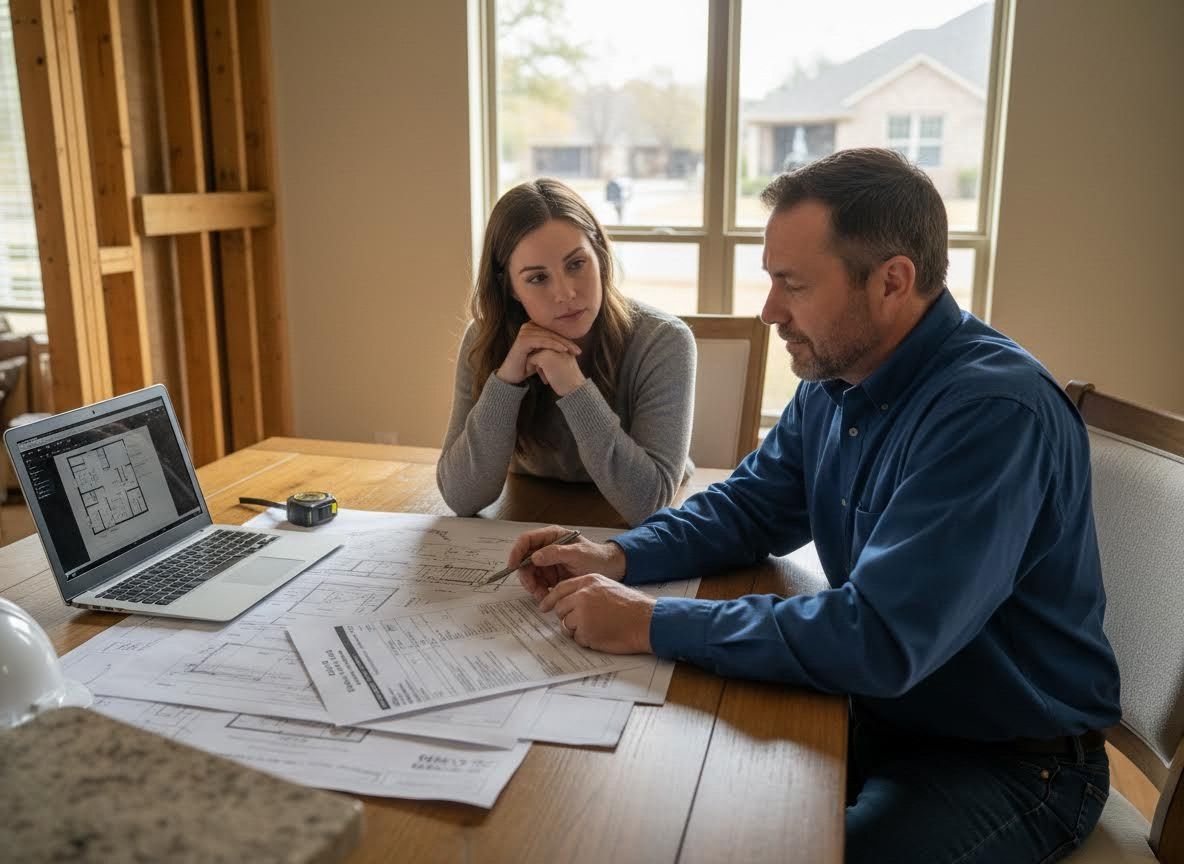
The Advantage of a Professional Contractor in the Permit Process
Engaging an experienced contractor can significantly simplify the permit acquisition process. Many contractors have established relationships with local building departments and a deep understanding of the specific requirements in their service areas. For example, a licensed home remodeling contractor Tyler TX will be intimately familiar with Tyler's municipal codes, able to prepare the necessary documentation, submit applications on your behalf, and coordinate inspections. Their expertise can save you time, prevent costly errors, and ensure your project stays compliant from start to finish.

Ready to Remodel with Confidence?
Understanding and securing the correct permits is an indispensable step toward a successful and stress-free remodeling project in Texas. By ensuring your renovation adheres to local building codes, you protect your investment, enhance your property's value, and guarantee the safety of your home or business. Rock It Remodeling is dedicated to guiding our clients through every phase of their project, including the often-complex world of permits. To learn more about how professional guidance can streamline your next renovation, consider exploring our resources on navigating local building requirements.